
Quick answer: Triage the leaker list by severity and service, make compliant first attempts quickly, then repack or rebuild the valves that will not seal, upgrading chronic leakers to low-emission packing. Verified repairs with retest data and documentation are what close findings inside the correction window your program allows.
What a Failed Audit Actually Sets in Motion
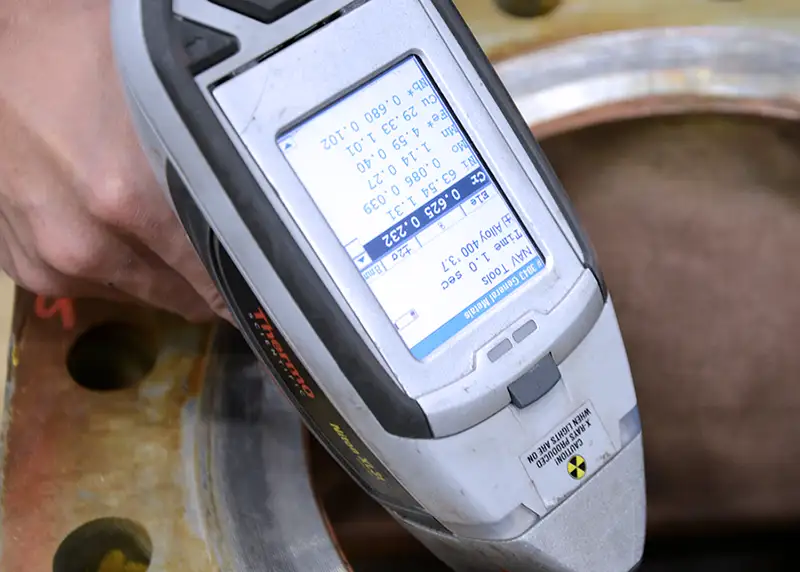 A failed fugitive emissions or LDAR audit is not an abstract paperwork problem. It starts clocks. Leak detection programs built around EPA Method 21 monitoring generally require a first repair attempt within days of finding a leaking component and a completed repair within a defined window, with anything that cannot be fixed online going onto a delay-of-repair list that draws exactly the scrutiny you do not want. Repeat offenders are added to chronic leaker lists, and facilities operating under consent decrees often face tighter leak definitions and mandatory valve replacement or upgrade triggers.
In other words, the cost of a finding is not the fine. It is the cascade: re-monitoring burden, escalating repair obligations, and the audit posture of a facility that now has to prove it can close its own findings on schedule.
Why Valves Dominate Every Leaker List
Valves are consistently the largest population of leaking components in a typical LDAR program, and the leak path is almost always the same one: the stem packing. Thermal cycling loosens gland load, stems wear and score, and packing installed decades ago was never designed to the low-leakage performance expected today. That is actually good news for a plant in a hurry, because a leak path this well understood has a well understood set of fixes.
The Fast Path Back to Compliance
- Triage the list. Sort findings by screening value, service severity, and accessibility. A high-ppm leaker in hydrocarbon service near a property line is not the same priority as a marginal exceedance on a utility line.
- Make compliant first attempts. Gland adjustments and similar online measures satisfy the first-attempt obligation and genuinely resolve a share of findings. Document each attempt and its retest result.
- Repack in place where the valve allows it. For valves with sound stems and access, field service crews can replace packing in situ, clearing findings without pulling the valve or breaking flanges.
- Pull the valves that will not seal. A scored or worn stem will chew through new packing and put the valve right back on the list. Those valves need shop-level work: stem restoration or replacement, stuffing box restoration to proper dimensions and finish, and a packing system matched to the service.
- Upgrade the chronic leakers. This is where valve modification earns its keep. Converting problem valves to certified low-emission packing systems, with the gland hardware to maintain load through thermal cycles, turns a quarterly repeat offender into a component that screens clean year after year.
- Verify and document everything. Retest data, packing certifications, and repair records are what convert “we fixed it” into a closed finding the regulator accepts.
Repack, Rebuild, or Upgrade: Getting the Call Right
Choose an in-place repack when the stem surface is sound, the valve is accessible, and the leak traces to aged or under-loaded packing. Choose a shop rebuild when the stem is scored, the stuffing box is corroded or out of dimension, or the valve has already failed a previous repair attempt. Choose a low-emission upgrade when the same tag keeps appearing on the leaker list, when the service involves regulated hazardous air pollutants, or when a consent decree’s replacement trigger is one more finding away.
The wrong call has a signature: the valve passes its retest, screens clean for a quarter, then reappears on the next monitoring round. Now you have paid twice for the same leak, the component is closer to a chronic designation, and the auditor’s question shifts from “did you fix it” to “why does your fix not hold.” Cheap packing stuffed around a damaged stem is how facilities end up mandated into wholesale valve replacement they could have avoided.
Proving the Fix: Why Test Capability Matters as Much as Repair Capability
Modern low-emission expectations grew out of laboratory type testing, the same discipline behind standards like API 624 and API 641 that qualify valve and packing combinations against measured leakage. A repair shop that actually performs fugitive emissions testing and valve type testing in-house is not guessing that a packing system will perform. It can demonstrate it, with instrumented leakage measurement, and hand you the data. For a facility answering to a regulator, that difference shows up directly in how fast findings close and how confidently you can defend the repair method you chose.
It also changes prevention. Specifying repaired and modified valves to demonstrated low-leakage performance, backed by broader engineering testing, is how a plant shrinks its leaker list structurally instead of mowing it down every quarter.
Compliance Help Built on Testing Pedigree
The shop that helped write the playbook: United Valve is a pioneer in industrial valve testing and has helped develop widely adopted testing standards, which means your compliance repairs rest on the same expertise regulators’ expectations grew from.
Measured, not assumed: in-house fugitive emissions test capability lets the shop verify low-leakage performance with instrumentation before a valve goes back into your unit, and the data ships with the valve.
Every fix on the menu: from in-place repacking through stem restoration to engineered low-emission packing conversions, one vendor covers the whole triage list, so nothing waits on a second contractor.
Close enough to hit your deadline: with Houston and Corpus Christi facilities and crews that come to you, the Gulf Coast plants facing the tightest air-quality scrutiny are inside United Valve’s service radius. If a correction window is already running, request a quote and flag the deadline up front.
Frequently Asked Questions
How long do I have to repair a leaking valve under LDAR?
It depends on your applicable regulation and any consent decree, but Method 21-based programs commonly require a first repair attempt within about five days and final repair within roughly fifteen, with delay-of-repair provisions for valves that cannot be fixed without a shutdown. Treat your specific permit language as controlling.
Can valve packing really be replaced without removing the valve from the line?
Often, yes. With the line de-inventoried and isolated, field crews can replace packing in place on many valve designs. The limiting factors are stem condition and access. A damaged stem makes in-place repacking a temporary fix at best.
What makes a valve a chronic leaker, and why does it matter?
Programs flag components that repeatedly exceed leak definitions across monitoring periods. Chronic status matters because it can trigger mandatory replacement or upgrade requirements and draws regulator attention to your whole program, not just one tag.
Does upgrading to low-emission packing require a full valve rebuild?
Not always, but it should include verification that the stem and stuffing box can support the new packing system. Installing certified low-E packing around a worn stem wastes the upgrade. A proper conversion restores the sealing surfaces and is then performance-verified.
What documentation should I keep to close a finding?
The monitoring record that found the leak, each repair attempt with dates, the retest screening values, what was replaced including packing certifications, and who performed the work. That file is what turns a repair into a defensible closed finding.